
Your agent makes the call.
Navigate menus, wait on hold, and bring back the answer.
Explore outbound calls ↗AI speaks on your behalf.
Your AI speaks for you—on your own phone, across any calling app you already use.
Your phone + ESP32 hardware + a desktop browser.
Keep your number and SIM. No phone app to install.

7 PM · Two people · Dogs welcome
 WhatsApp
 Messenger
 Telegram
 Teams
Teams Meet
Meet Zoom
Zoom Discord
Your phone. Your computer. Any calling app.
Navigate menus, wait on hold, and bring back the answer.
Explore outbound calls ↗Answer questions, take a message, and keep the transcript.
Explore inbound calls ↗Your phone sees a Bluetooth headset. Your AI gets a way to speak and listen. Therefore it works on all apps.
Keep the Bridge tab open and your computer awake.
Give it the goal. Your agent talks to the person on the other end—through your own number and apps.
Follow the conversationSee what both sides say as the call unfolds.
Guide it quietlyAdd instructions without interrupting the call.
Get the outcomeKeep the transcript and confirmed details together.
Move Maya's dental cleaning to Thursday afternoon and confirm the new time.
Connect once. Keep your number and apps.
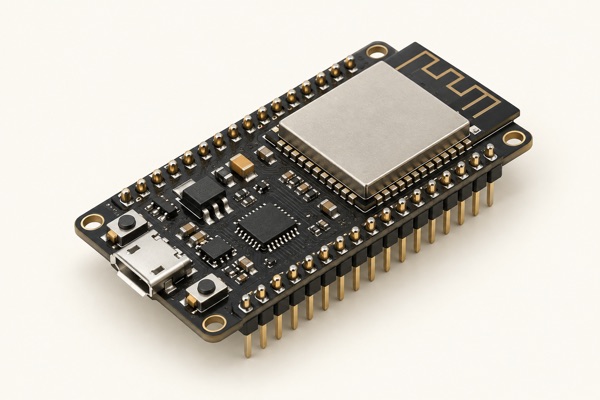
Plug a classic ESP32 (WROOM-32) into your laptop. Choose a device name, then click Flash. That name is saved to the board as its Bluetooth name.
Where do I get the board?Click Connect a board and pick the port in Chrome's Web Serial prompt. The tab becomes your bridge host—keep it open so phone call audio can flow through it.
Open ParrotBridgeOpen Phone Settings → Bluetooth and tap the same device name you chose in Step 1. It appears as a headset and pairs once.
How pairing worksChoose an assistant and call controls in the ParrotVoice Console. For external Voice Agents, add the MCP endpoint to your client with a key bound to this device.
Open Console MCP setup guide